
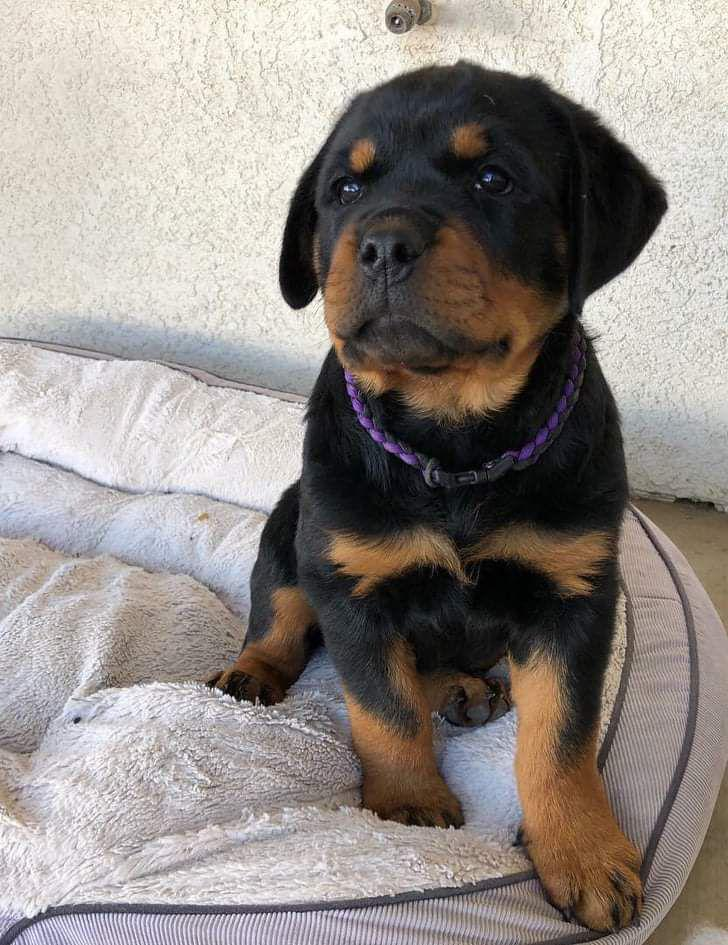
Many aspiring dog owners and hunters might wonder if the powerful and intelligent Rottweiler puppy could be a suitable companion for the field. While Rottweilers possess many admirable qualities, their heritage and physical traits generally do not align with the specialized demands of most hunting disciplines. It’s important to understand the breed’s historical purpose and inherent characteristics to determine if they are the right fit for your hunting ambitions. Rottweiler puppy training
The Rottweiler’s True Heritage: A Working Dog, Not a Hunter
The Rottweiler’s roots lie in Germany, where they served as invaluable working dogs, primarily as drover dogs, herding cattle to market, and later guarding butchers’ money bags and property. This history shaped them into magnificent animals known for:
- Strength and Endurance: Capable of long treks and physical tasks.
- Loyalty and Protectiveness: Fiercely devoted to their family and territory.
- Intelligence and Trainability: Eager to please and highly capable of learning complex commands.
- Courage and Confidence: Unfazed by challenges, possessing a strong presence.
These traits made them exceptional cattle drivers, guardians, and later, police and service dogs. However, their development was not focused on the specific skills required for tracking, flushing, pointing, or retrieving game in a hunting scenario.
Why Rottweilers Aren’t Ideal Hunting Dogs
While a Rottweiler might display a natural prey drive—like most dogs—this instinct alone doesn’t make them suitable for traditional hunting roles. Several factors make them less than ideal compared to dedicated hunting breeds:
- Physical Build and Agility: Rottweilers are robust, muscular, and built for strength and endurance rather than agile, quick movements required for flushing birds or navigating dense undergrowth. Their heavy frame can make them less efficient for sustained running, jumping, or swimming long distances in varied terrain.
- Coat Protection: Their short, single coat offers minimal protection against harsh weather, cold water, or abrasive brush. This can lead to discomfort, injury, or hypothermia during prolonged exposure in typical hunting conditions. Dedicated hunting breeds often have dense, weather-resistant double coats.
- “Hard Mouth” Tendency: Rottweilers have incredibly powerful jaws. While trainable, they are not naturally predisposed to the “soft mouth” required to retrieve game without damaging it. Their instinct might be to “catch and hold” firmly, which is detrimental to retrieving intact game birds or small animals.
- Specialized Instincts: Hunting breeds have been selectively bred for generations to enhance specific instincts:
- Scent Hounds (e.g., Beagles, Basset Hounds): Bred for superior scenting ability and persistence in tracking.
- Pointers and Setters (e.g., German Shorthaired Pointers, English Setters): Bred to locate game and “point” to its location.
- Retrievers (e.g., Labradors, Golden Retrievers): Bred for soft mouths, water prowess, and eagerness to fetch.
- Temperament in the Field: While intelligent, a Rottweiler’s protective nature and strong will might not always translate into the cooperative, focused, and adaptable temperament needed for a hunting partner. Their drive is often centered on guarding rather than engaging in the independent, yet collaborative, work of hunting. Rottweiler puppy training
What Rottweilers Excel At
Instead of trying to force a square peg into a round hole, it’s best to appreciate Rottweilers for their true strengths. They are phenomenal dogs for:
- Family Companionship: Loyal, loving, and reliable members of the family.
- Protection and Guarding: Their natural instincts make them excellent deterrents and protectors.
- Obedience and Competitive Sports: They excel in obedience trials, agility, and tracking (different from hunting tracking).
- Service and Therapy Work: Their intelligence, calm demeanor, and loyalty make them great candidates.
- Working Roles: Police K9, search and rescue, and other demanding tasks.
Choosing the Right Dog for Hunting
If your primary goal is to have a hunting companion, it is always best to choose a breed specifically developed for the task. Breeds like Labrador Retrievers, Golden Retrievers, German Shorthaired Pointers, English Springer Spaniels, Beagles, and various hounds have been meticulously bred over centuries for their specific hunting aptitudes. They possess the physical attributes, natural instincts, and temperaments that make them effective and enjoyable partners in the field.
In conclusion, while a Rottweiler puppy can grow into an incredibly capable, loyal, and loving dog, their talents are best utilized in roles that align with their historical purpose and inherent strengths. They are extraordinary in many ways, but hunting is generally not among them. Rottweiler puppy training