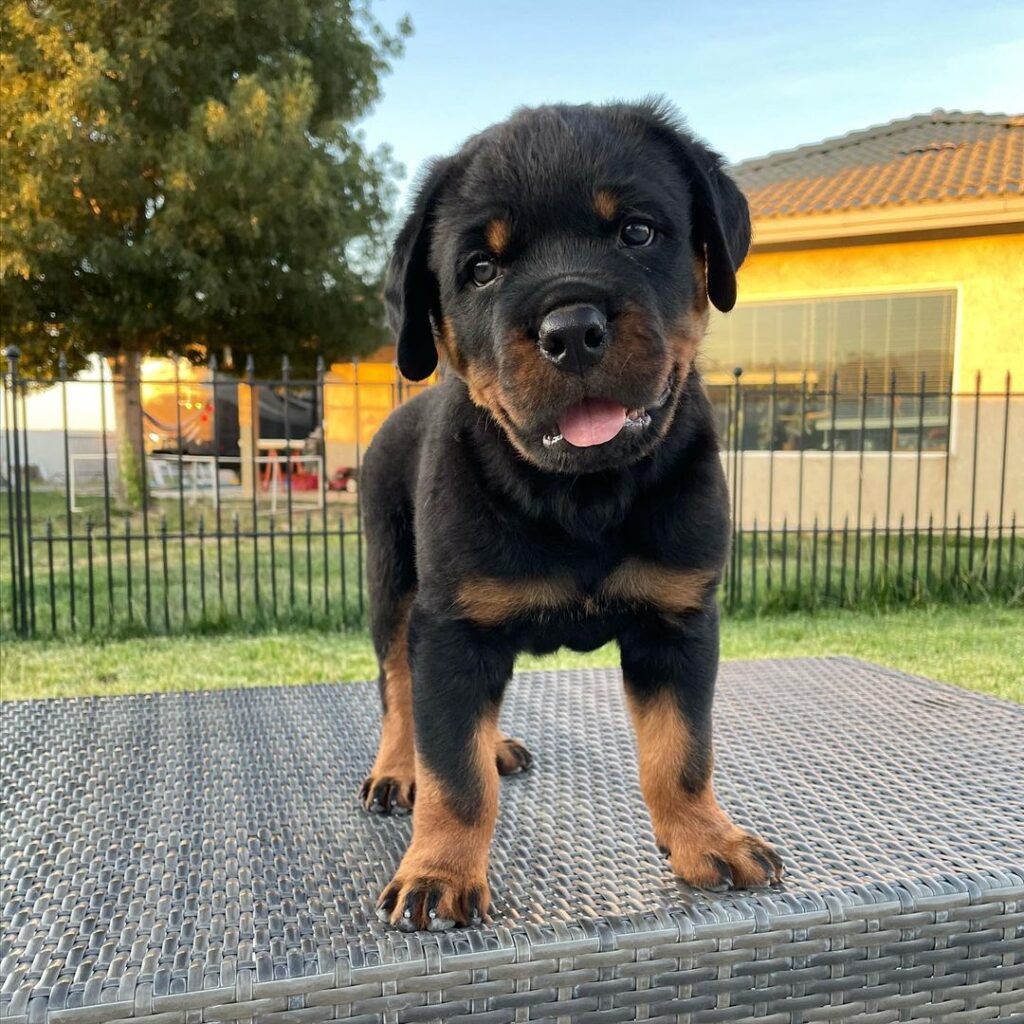
The Attraction of the German Rottweiler
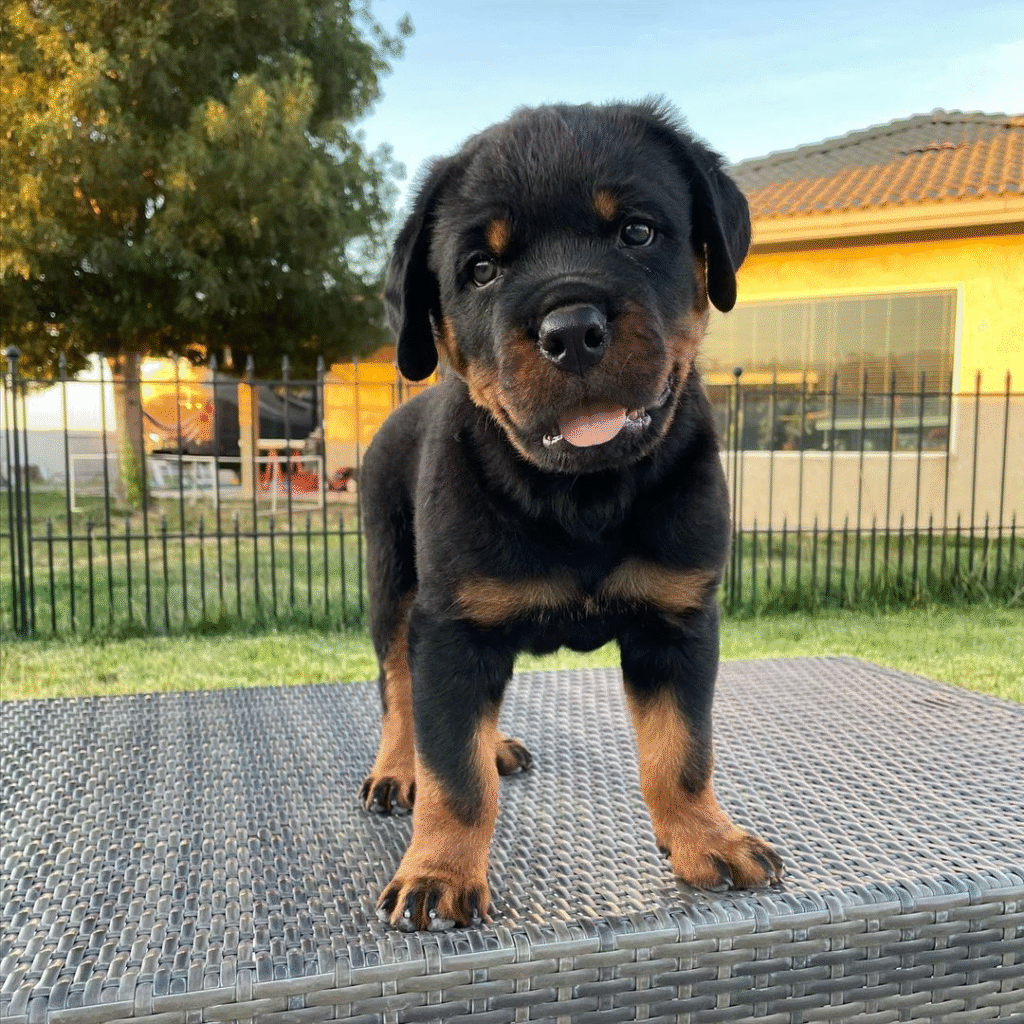
The Rottweiler is one of the most recognizable and revered dog breeds globally. Originating as droving dogs in Germany (specifically in the town of Rottweil, hence the name), they possess a powerful build, striking black and tan markings, and a demeanor that is both confident and inherently loyal. If you are considering adding one of these magnificent animals to your family, you are seeking a commitment to a steadfast companion. Adopting a German Rottweiler
However, the process of adopting a Rottweiler puppy—especially through online channels—requires vigilance, research, and adherence to ethical standards. This comprehensive guide will navigate the complexities of finding a healthy German Rottweiler puppy, addressing the specific factors of online adoption, and offering crucial advice for responsible ownership.
Section 1: Understanding the German Rottweiler Standard
Before searching online, it is vital to understand what constitutes a true German Rottweiler.
1.1 German vs. American Lines
While all Rottweilers share common ancestry, the distinction between German and American lines often relates to breeding standards and physical requirements.
| Feature | German Rottweiler (ADRK Standard) | American Rottweiler (AKC Standard) |
|---|---|---|
| Purity/Registration | Must meet stringent German standards (ADRK, VDH). | Meets US standards (AKC). |
| Tail Docking | Generally forbidden or rare (due to German/European law). | Traditional practice, though increasingly less common. |
| Build | Often described as blockier, heavier-boned, and having a slightly broader head. | May be slightly taller or leaner, depending on the breeder’s focus. |
| Temperament Focus | Great emphasis on working drive, stability, and nerve. | Focus on conformation and balanced temperament. |
1.2 Essential Breed Characteristics
A healthy, well-bred Rottweiler should display:
- Size: Males typically 24-27 inches at the shoulder; females 22-25 inches.
- Coat: Short, dense, and coarse black fur with defined, rich mahogany or rust markings.
- Temperament: Calm, confident, powerful, aloof with strangers, and intensely loyal to the family.
Section 2: Navigating Online Adoption and Avoiding Scams
The rise of the internet has made finding a puppy easier, but it has also increased the prevalence of unethical breeders and outright scams. Caution is paramount.
2.1 The Danger of Unregulated Websites (e.g., rottweilerpuppy.com)
While a domain name like “rottweilerpuppy.com” might seem direct, generic websites often belong to volume breeders, puppy mills, or scammers who use attractive photos to lure buyers.
Red Flag Checklist for Online Puppy Adoption:
- Lack of Transparency: If the website doesn’t show pictures of the parents, the kennels, or the breeder’s physical address.
- Generic Photos: Pictures that appear professionally staged or reused from other sites (reverse image search is essential).
- Price Too Low: Reputable, health-tested German Rottweilers cost between $2,000 and $4,500. A price significantly below this is a major warning sign.
- No Health Testing Documentation: The breeder must provide proof of health clearances (OFA, CERF, etc.) for both parents.
- Shipping Focus: If the breeder pressures you to pay quickly and ship the animal without allowing an in-person visit.
2.2 Reputable Online Resources
Instead of generic puppy sites, focus your search on platforms associated with breed clubs:
- The American Rottweiler Club (ARC) or ADRK Affiliates: These clubs maintain lists of approved and ethical breeders who adhere to strict standards.
- Working Dog Registries (e.g., Schutzhund Clubs): Breeders focusing on working German lines will typically be affiliated with these organizations.
- Pedigree Databases: Use databases (like those specific to the breed) to trace a puppy’s lineage and confirm its German ancestry.
Action Step: Never purchase a puppy based solely on an online advertisement. Always initiate thorough communication and request video calls to see the puppy and its environment live.
Section 3: Due Diligence – The Questions You Must Ask
Responsible German Rottweiler puppy adoption hinges on meticulous investigation of the breeder.
3.1 Health and Genetic Screening
The most critical factor in guaranteeing a healthy German Rottweiler puppy is the health clearance of the parents. Rottweilers are prone to several genetic conditions:
- Hip and Elbow Dysplasia: Require OFA (Orthopedic Foundation for Animals) or PennHIP clearances.
- Cardiac Issues: Requires a specialist cardiologist evaluation (Auscultation and Echocardiogram).
- Eye Problems (CERF): Clearance for genetic eye diseases.
- JLPP (Juvenile Laryngeal Paralysis & Polyneuropathy): This is a critical, devastating genetic condition. All breeding dogs must be tested and cleared (N/N).
Required Documentation:
- Copies of the sire and dam’s official health certificates (OFA scores, JLPP status).
- A written, minimum two-year health guarantee covering life-threatening genetic defects.
3.2 Temperament and Socialization
Rottweilers are powerful dogs requiring excellent socialization from the start. Ask the breeder:
- Puppy Raising Protocols: How are the puppies socialized (exposure to sights, sounds, surfaces, people)?
- Parent Temperament: Can you meet the dam (mother)? Is the sire’s temperament verifiable (often through working titles)?
- Age of Placement: Puppies should not leave the breeder before 8 weeks of age. Adopting a German Rottweiler
3.3 Registration and Pedigree
A genuine German Rottweiler should come with official registration papers confirming its lineage.
- Registration: Usually AKC (American Kennel Club) and/or official ADRK papers if imported.
- Limited vs. Full Registration: Most ethical breeders sell companion puppies on limited registration, meaning the dog cannot be bred. Full registration is reserved for approved show or working homes.
Section 4: Preparing for Your German Rottweiler Puppy
Bringing a robust breed like a Rottweiler home requires significant preparation.
4.1 Necessary Supplies and Environment
A Rottweiler demands durable equipment:
- Crate Training: A large, durable metal crate (minimum 48 inches for a male).
- Nutrition: High-quality, large-breed puppy formula (to manage growth rate and prevent orthopedic issues).
- Chew Toys: Indestructible toys (Kongs, Nylabones) are essential for this powerful chewer.
4.2 Training and Commitment
Rottweilers thrive on structure and leadership.
- Early Obedience: Enroll in puppy classes immediately upon receiving necessary vaccinations.
- Consistency: Consistent rules and boundaries are non-negotiable for managing a large, strong working dog.
- Exercise: They need moderate to high exercise—not just physical activity, but mental stimulation (puzzle toys, training sessions).
- Cost Commitment: Beyond the initial purchase price, annual care, high-quality food, and vet bills average $1,500 – $3,000.
4.3 Legal and Insurance Considerations
Due to breed perception, some homeowners’ associations or insurance companies have breed restrictions.
- Check Policies: Verify that your renters’ or homeowners’ insurance covers a Rottweiler. Non-compliance can lead to policy cancellation.
- Local Ordinances: Be aware of any local dog licensing or breed-specific legislation (BSL) in your area.
Section 5: The Financial Investment
Understanding the cost clarifies why cheap puppies often come from low-quality sources.
| Expense Category | Estimated Cost Range (USD) | Notes |
|---|---|---|
| Purchase Price (Quality German Lines) | $2,000 – $4,500 | Reflects genetic testing, outstanding pedigree, and breeder care. |
| Initial Vet Care (Vaccinations/Spay/Neuter) | $500 – $800 | First year only; Spay/Neuter can vary widely. |
| High-Quality Food (First Year) | $600 – $900 | Large breeds eat more specialized, calorie-controlled food. |
| Equipment/Crate/Toys | $300 – $600 | Focus on durability to avoid constant replacement. |
| Training Classes | $200 – $500 | Essential for proper socialization and obedience. |
Total Estimated First-Year Investment: $3,600 – $7,300+
Summary Conclusion: The Importance of Responsible Choice
Adopting a German Rottweiler puppy is a 10-12 year commitment to a powerful, intelligent, and profoundly loyal companion. While the internet offers convenience, it demands exceptional scrutiny. Adopting a German Rottweiler
Never rely solely on a generic website name like rottweilerpuppy.com. Focus your search on breeders recommended by established breed clubs (ARC, ADRK affiliates), prioritize verified health testing (OFA, JLPP), and insist on meeting (or video calling) the puppy and its environment.
By choosing responsibility over convenience, you ensure not only the welfare of your new family member but also the integrity and positive reputation of the magnificent German Rottweiler breed.